


Sheets or Excel? The Wrong Question for Most Small Businesses
Google Sheets or Excel? The tool choice matters less than whether anyone maintains the data. Design for the habit, not the platform.
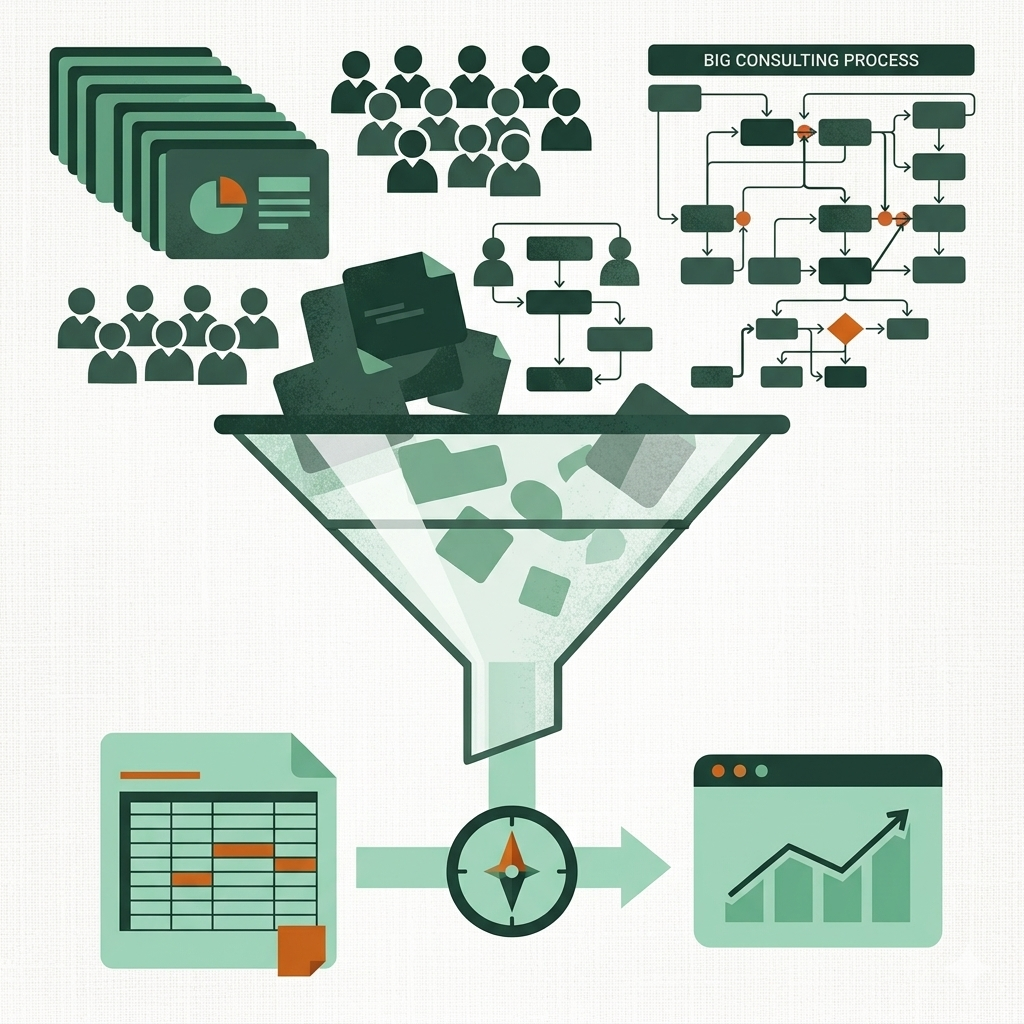
How I Think About Scoping a Data Project for a Small Business
Scoping a data project for a small business starts with one question: what decision are you making without good information? The framework for getting from chaos to a defined deliverable.
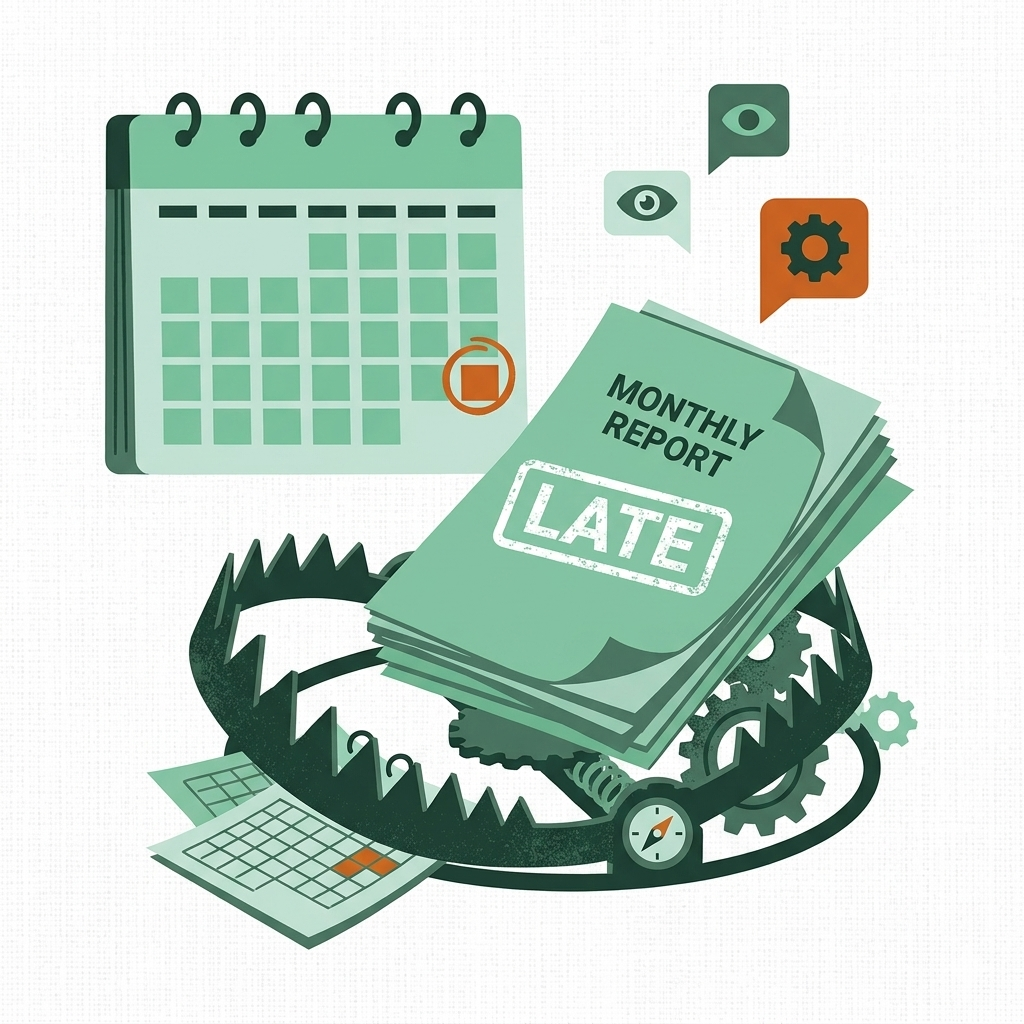
The Reporting Trap: Why Your Monthly Report Isn't Changing Anything
Monthly reports that nobody acts on create a false sense of control. A useful report is short, exception-based, and tied to decisions you make every week.
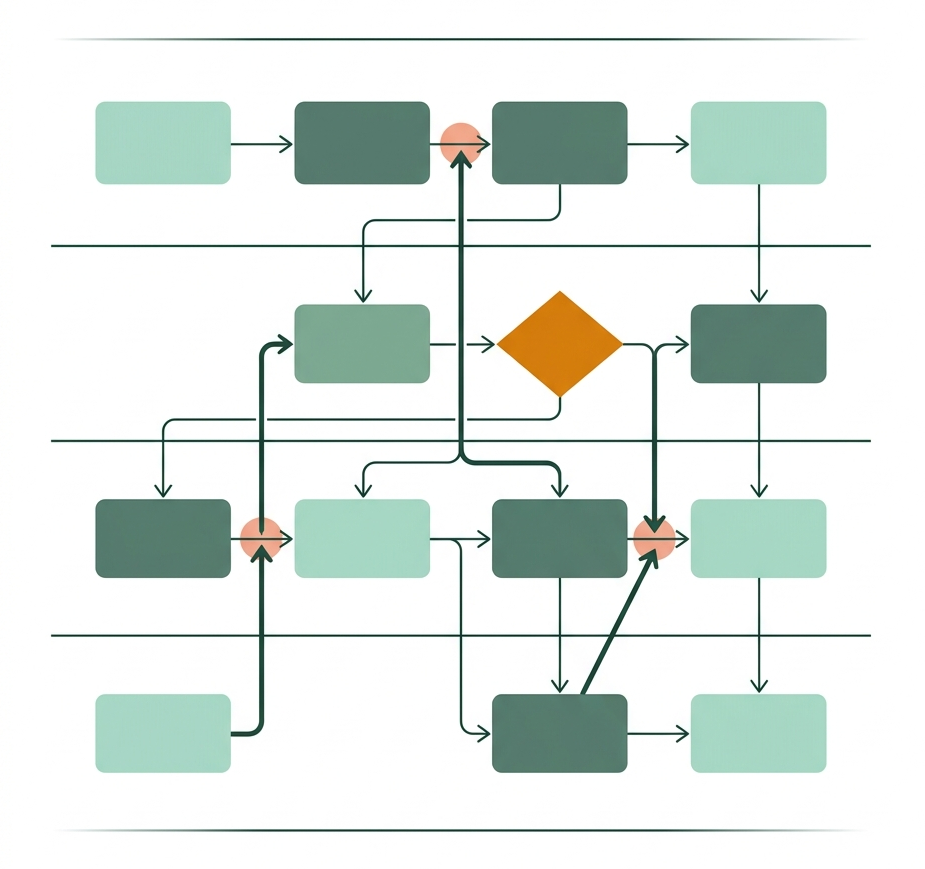
Map the Process Before You Fix It
Most small businesses try to fix a process by changing a tool or adding a step. The better move is to map the process first, see where work actually crosses between people, and figure out where handoffs are breaking down before touching anything. I built a free interactive tool that walks through this in about five minutes.
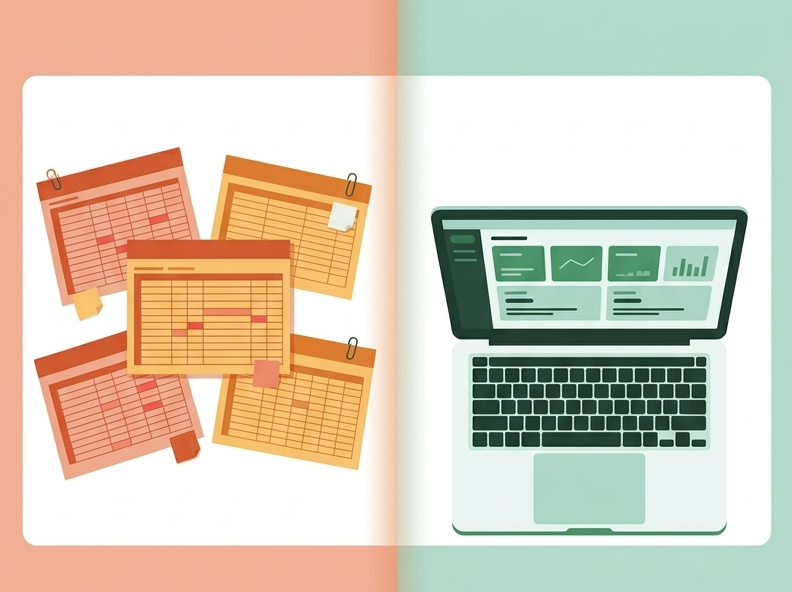
What a Fixed-Price Build Actually Looks Like
A hardware store reached out asking for a dashboard. What they actually needed was for someone to look at their five spreadsheets, figure out which numbers mattered, and put them in one place where they could inform real decisions. Here is what that project looked like from scoping to delivery.
Your Spreadsheet Isn't Broken. Your Process Probably Is.
Most small businesses don't have a spreadsheet problem. They have a process problem that grew up inside a spreadsheet. The workbook absorbed every shortcut, workaround, and "just add a column for that" decision made over months or years. Fixing the formulas won't fix the issue, because the formulas were never the issue.

You Don’t Need a Dashboard. You Need Five Numbers.
Most small businesses are paying for a dashboard that tracks 40 metrics. They look at maybe 10. What they need is ~5. The problem is not a lack of data. It is a lack of fit.